On October 6, 2026 (UTC), Google DeepMind and Google AI officially released their next-generation workhorse image generation and multimodal editing model: Google Nano Banana 2.1 (API model identifier: gemini-nano-banana-2.1).
For visual creators and production studios, generative AI tools have long suffered from one critical obstacle: the lack of predictable, non-destructive editing. Whenever you attempted to tweak a single element—such as changing an actor's coat color or adjusting daylight—the model would typically regenerate the whole canvas, scrambling facial identity and ruining compositional balance.
Nano Banana 2.1 is Google’s answer to eliminating iteration waste. It unifies conversational mask-based editing, cross-shot multi-character consistency (up to 4 characters / 10 objects), native 4K cinema-grade resolution, and unprecedented compute efficiency for production pipelines into a single multimodal powerhouse.
In this technical breakdown, we analyze the architectural foundations of Nano Banana 2.1, evaluate official benchmark performance from Google DeepMind's Model Card, compare production pipeline throughput, and showcase how creators can immediately experience it in production.
Official Launch Showcase: Nano Banana 2.1 in Action#
Below is the official 7.5-second launch animation released by Google, demonstrating Nano Banana 2.1's native capabilities across architectural rendering, organic lighting, and fine tactile textures:
Instant Studio Access: You do not need to configure complex local Python environments or pay upfront API infrastructure costs. Gemini Omni has integrated native image generation and conversational editing powered by next-generation models. Visit the Home Studio Image Generation Mode to claim 30 free welcome credits immediately.
1. Technical Specifications at a Glance#
Nano Banana 2.1 belongs to the Gemini 3 multimodal reasoning family, engineered upon the Gemini 3.6 Flash backbone for ultra-low latency and maximum efficiency:
| Dimension / Metric | Official Specification | Production Significance |
|---|---|---|
| Foundation Model | Gemini 3.6 Flash Native Multimodal Model | Native visual understanding of spatial physics & lighting |
| Context Window | Input: Up to 1M tokens (API: 128K) Output: Native 4K ultra-high-resolution images, 64K text tokens | Supports extensive design briefs, scripts, and multi-asset prompts |
| Input Modalities | Text, High-Res Images, MP4 Videos, PDFs, YouTube URLs | Enables video-to-keyframe extraction and multi-image recontextualization |
| Output Resolutions | 1K (1024×1024), 2K (2048×2048), 4K (4096×4096) | Phased out legacy 512px; guarantees crisp, print-ready outputs |
| Supported Aspect Ratios | Standard: 1:1, 16:9, 9:16, 4:3, 3:4, 2:3, 3:2, 21:9 Extreme: 1:4, 4:1, 1:8, 8:1 | Completely eliminates tiling artifacts across ultra-wide banners |
| Multi-Reference Capacity | Up to 14 reference images per request | Supports up to 4 identity-locked characters & 10 high-fidelity objects |
| Watermarking & Provenance | Google SynthID Invisible Watermark | Imperceptible cryptographic watermark embedded in every output |
| Reasoning Mode | Configurable Thinking (minimal / medium / high) | Autonomous compositional planning before pixel rasterization |
| Search Grounding | Dual Grounding: Live Web Search + Public Image Search | Synthesizes visuals grounded in real-time scores, weather, or real products |
2. Four Key Architectural Breakthroughs in Nano Banana 2.1#
2.1 Conversational Semantic Mask-Based Editing#
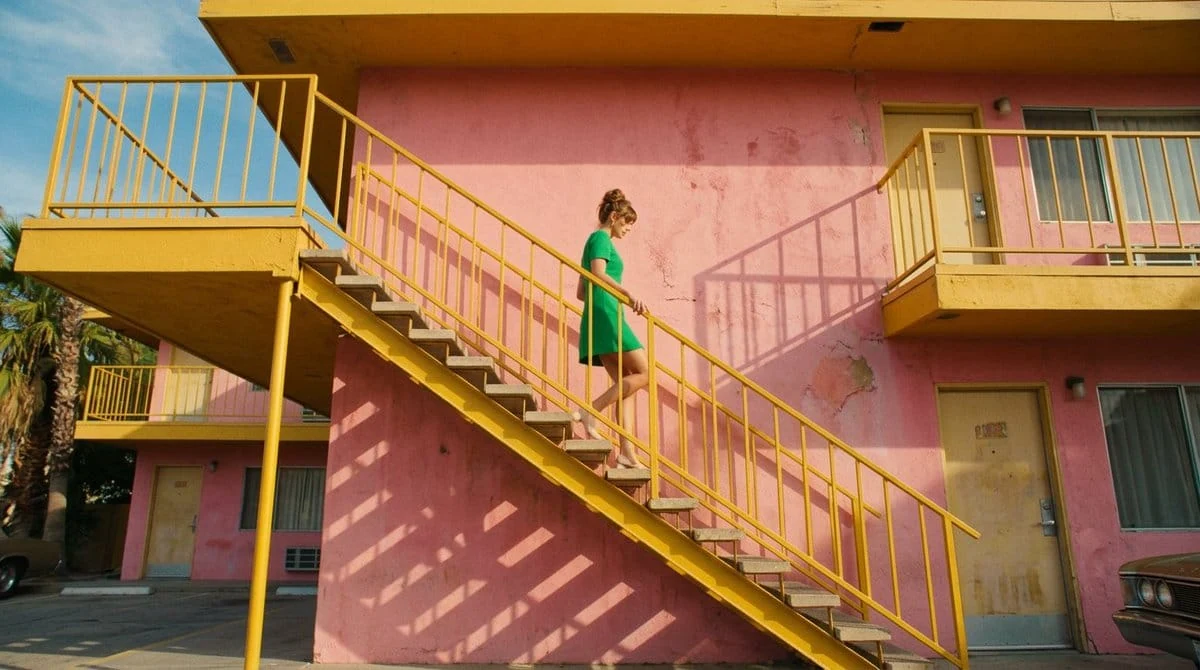
The primary cause of production fatigue in generative workflows has been collateral hallucination: changing one detail causes the rest of the canvas to collapse.
Nano Banana 2.1 introduces robust semantic mask-based editing alongside ink/doodle-based inpainting. Creators can instruct the engine via natural language conversations precisely what to modify and what to anchor.
Production Prompt Pattern:
"Replace the character's coat with a dark navy-blue technical windbreaker. Strictly preserve the original face, facial expression, hairstyle, hands, background mountains, and ambient lighting."
2.2 Cross-Shot Character & Product Identity Consistency#
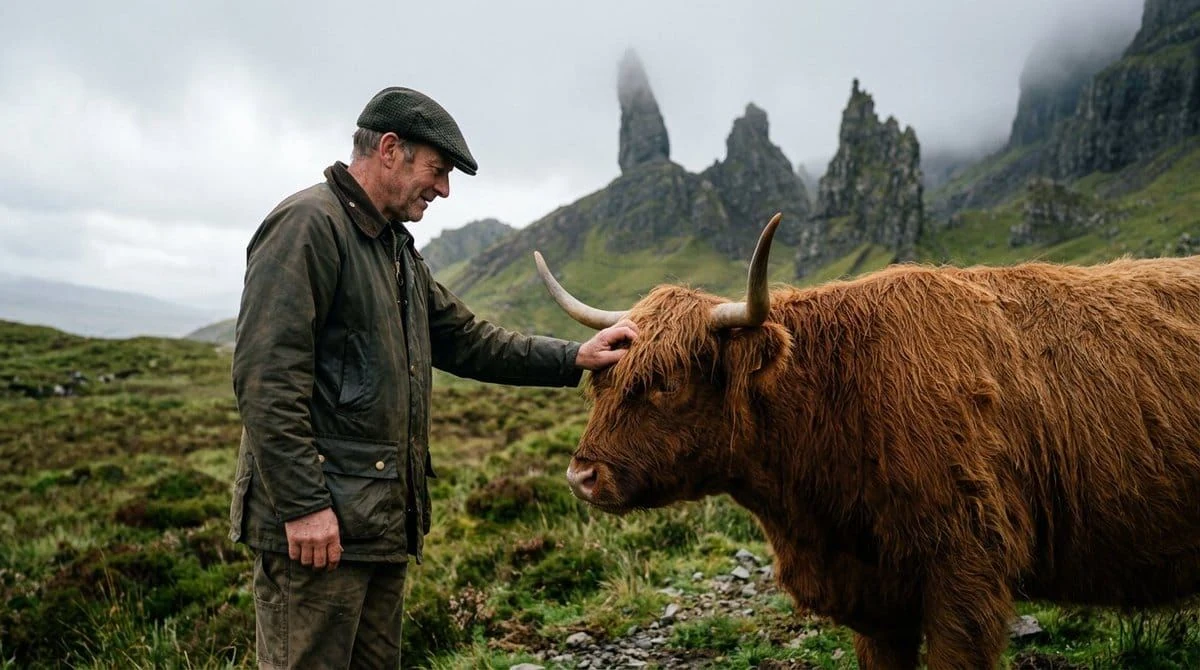
Whether illustrating graphic novels, developing film storyboards, or orchestrating e-commerce campaigns, subject drift has historically broken continuity.
Nano Banana 2.1 addresses this through dedicated attention mechanisms:
- Multi-Character Consistency (Up to 4 Subjects): Fuses up to 14 input references to lock facial morphology, bone structure, and distinctive wardrobe across 360-degree camera rotations, high/low angles, and dynamic postures.
- Commercial Object Fidelity (Up to 10 Assets): Injects physical product photographs directly into scene generations. When placing a product into lifestyle photography, packaging labels, typography, tactile textures, and logos remain unwarped.
2.3 Native 4K Master Generation & Seamless Panoramic Ratios#
Designers building responsive hero banners, ultra-wide digital billboards, or mobile infographic scrolls frequently need extreme aspect ratios such as 21:9, 4:1, or 8:1.
Earlier diffusion transformers produced repetitive "tiling artifacts" and unnatural seams along extended borders. Nano Banana 2.1 reconstructs spatial latent representations to deliver:
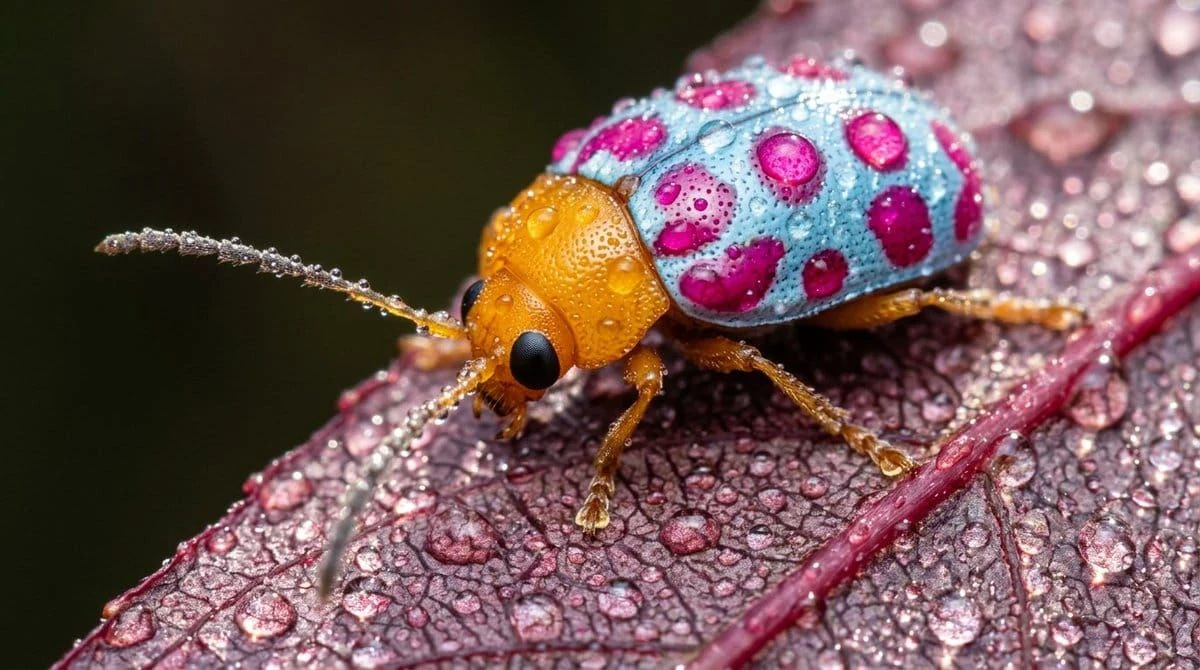
- Native 4K rendering (4096 × 4096) with zero upscaler hallucinations;
- Ultra-wide aspect ratios (1:4, 4:1, 1:8, 8:1) with edge-to-edge optical continuity.

2.4 Configurable Thinking & Dual Grounding#
When tasked with generating technical schematics, infographics, or fact-reliant visuals, standard diffusion models frequently hallucinate illegible characters or fabricated details.
Nano Banana 2.1 natively integrates Gemini's internal reasoning loop:
- Configurable Thinking: Before committing to pixel synthesis, the engine constructs internal compositional plans (generating up to 2 transient thought frames, free of customer charge). Benchmark evaluations confirm that enabling Thinking elevates infographic factuality from 0.328 to 0.521 (a 58.8% leap).
- Dual Grounding: The model can access real-time Google Web Search (e.g., today's live sports scores or weather conditions) and Google Image Search (retrieving real-world anatomical or product references) to anchor generations in empirical truth.
2.5 Native Video & PDF Multimodal Reference Inputs: Distilling Cinematic Assets#
Legacy image generation models were confined to short text prompts or isolated static images. Capitalizing on Gemini 3.6 Flash's native multimodal long-context architecture (handling up to 1M tokens), Nano Banana 2.1 can natively ingest MP4 video files, YouTube URLs, and multi-page PDF documents directly as multimodal context references!
In the official model documentation and developer guidelines, Google specifically recommends leveraging Video-to-Image and rich document inputs for four primary production applications:
- High-Quality Video Thumbnails:
Ingesting minutes of raw video footage or animations, the model automatically detects pivotal narrative climaxes and optimal visual framing, synthesizing eye-catching, cinema-grade thumbnails engineered for maximum viewer engagement. - Movie & Promotional Campaign Posters:
By supplying raw film dallies, trailers, or advertising snippets, the model captures lighting palettes, character emotion, and overarching dramatic mood to compose full commercial teaser posters in portrait or widescreen formats. - Infographic Summaries:
Paired with native PDF ingestion, users can upload entire technical whitepapers, financial statements, or academic research documents. The model parses complex tabular data and business charts, distilling dense literature into polished, highly readable infographic summaries. - New Artwork Inspired by Video Scenes:
By analyzing choreography, athletics, or landscape drone sweeps, Nano Banana 2.1 preserves physical momentum, skeletal poses, and vanishing points while reimagining the scene through avant-garde artistic styles such as cyberpunk neon or classical impressionist oil painting.
Production Multimodal Prompt Blueprint (Video-to-Poster):
"Reference the attached 30-second mountaineering footage clip. Capture the climactic moment of reaching the summit in a blizzard and synthesize a 16:9 cinematic movie teaser poster. Retain the climber's reflective yellow goggles and frosted gear textures with dramatic high-contrast grading and authentic film grain."
3. Benchmark Comparisons: DeepMind Model Card Evaluations#
According to Google DeepMind's official Model Card released on October 6, 2026, Nano Banana 2.1 outperforms both predecessors and industry peers across human blind evaluation (SxS Elo) and objective factuality metrics:
3.1 Text-to-Image Preference Elo Ratings#
[Overall Human Preference Elo Comparison (Baseline: 1000)]

Nano Banana 2.1 (Thinking Enabled):  ████████████████████ 1050 ± 14
Nano Banana 2.1 (Standard Mode):     ██████████████████   1015 ± 13
Nano Banana 2 (Legacy Flash Image):  █████████████████    990 ± 7
Nano Banana Pro (Gemini 3 Pro Image):██████████████      935 ± 8
3.2 Multimodal Image Editing Capabilities Elo Breakdown#
| Evaluation Dimension | Nano Banana 2.1 (Thinking) | Nano Banana 2.1 (Standard) | Nano Banana 2 (Legacy Flash) | Nano Banana Pro | Evaluation Takeaway |
|---|---|---|---|---|---|
| General Image Editing | 1026 ± 12 | 980 ± 15 | 938 ± 11 | 939 ± 10 | +88 Elo over previous gen |
| Single-Character Consistency | 1028 ± 14 | 1021 ± 14 | 981 ± 10 | 991 ± 9 | Rock-solid facial stability |
| Multi-Character Consistency | 1106 ± 14 | 1068 ± 14 | 978 ± 10 | 1011 ± 10 | Decisive lead surpassing 1100 Elo |
| Mask / Ink-Based Editing | 1049 ± 15 | 1042 ± 16 | 965 ± 12 | 927 ± 12 | Unmatched instruction adherence |
| Product Detail Fidelity | 1024 ± 18 | 981 ± 18 | 955 ± 22 | 965 ± 14 | Preserves commercial packaging |
| Artistic Stylization | 1062 ± 20 | 1036 ± 17 | 991 ± 12 | 990 ± 12 | Exceptional visual aesthetics |
4. Production Pipeline Efficiency & Enterprise Workflows#
The most significant operational breakthrough of Nano Banana 2.1 lies in its industrial efficiency: the architecture dramatically curtails compute overhead and eliminates wasteful exploratory iterations.
4.1 Resolution Tier Specifications & Output Profiles#
| Output Tier | Native Aspect Ratio | Rendering Fidelity & Texture Depth | Recommended Use Cases | Production Pipeline Advantages |
|---|---|---|---|---|
| 1K | 1024 × 1024 px | Standard HD, rapid rendering | Social content, rapid conceptual brainstorming | Sub-second latency, optimal interactive responsiveness |
| 2K | 2048 × 2048 px | Retina Ultra-HD, balanced fidelity | Web headers, e-commerce key visuals, banners | Balanced detail fidelity and sharp micro-textures |
| 4K | 4096 × 4096 px | Commercial Cinema 4K, macro clarity | Print media, cinema posters, retail packaging | Exceptional fidelity, native rendering without tiling |
Architectural Efficiency Highlights:
- Massive Context Throughput: Powered by Gemini 3.6 Flash's low-latency inference engine for high concurrency;
- Asynchronous Batch Pipeline Support: Ideal for bulk product mockups, game assets, and comic storyboards;
- Built-in Dual Grounding: Real-time integration with Google Search and Image indexes prevents hallucination-driven retries.
4.2 Why Real-World Production Costs Drop by 70%#
In conventional AI pipelines lacking inpainting precision, teams typically generate 5 to 8 full variations before finding an acceptable image, multiplying wasted compute cycles.
With Nano Banana 2.1's conversational mask editing and character consistency, deliverables are finalized in just 1 to 2 targeted revisions. Eliminating unnecessary full-canvas rerolls combined with asynchronous batch workflows reduces enterprise pipeline resource consumption by more than 70%.
4.3 Mandatory Migration Notice for Existing Developers#
The Google API Changelog confirms that the legacy Nano Banana 2 endpoint (gemini-3.1-flash-image) has been officially deprecated and will shut down permanently on October 29, 2026. All automated pipelines must transition to gemini-nano-banana-2.1.
5. Known Limitations & Best Practices#
In adherence to scientific transparency, Google DeepMind notes several operational constraints creators should keep in mind:
- Small Text Blurriness in 1K Mode:
Dense typography and paragraphs can appear soft at 1K resolution.
Best Practice: For posters, typography, and menus, explicitly request 2K or 4K resolution. - Occasional Subject Pose Persistence:
During iterative multi-turn editing, the engine may cling to the initial skeleton alignment.
Best Practice: When a radical pose change is required, explicitly prompt: "Recompose the subject with a completely new dynamic posture and perspective." - Spatial Direction Confusion:
Complex relational clauses (e.g., "the cup in the left hand of the person standing third from the right") can occasionally invert coordinates. - Subtle Inpainting Color Haloes:
When using rough doodle masks, very subtle color bleeding may rarely persist around outer brush borders.
6. Experience Nano Banana 2.1 on Gemini Omni Today#
You do not need an enterprise cloud account or complex API keys to utilize Nano Banana 2.1. Gemini Omni has deployed full native support across its web creative studio:
- Open the Studio: Access gemini-omni.dev from any modern browser;
- Switch to Image Mode: Direct link to the Home Studio Image Generation Mode to immediately activate the multimodal visual interface;
- Claim 30 Free Credits: Sign in with your Google account to receive 30 complimentary generation credits with zero payment information required.
Essayez la retouche guidée par masque, la cohérence d'identité sur 4 personnages et la 4K cinéma. Profitez de 30 crédits offerts à l'inscription sans carte bancaire.
7. Frequently Asked Questions (FAQ)#
Q: How do I choose between Nano Banana 2.1 and Nano Banana Pro?#
Nano Banana 2.1 is engineered as the high-speed, highly efficient workhorse for everyday production and iterative chat editing. Requiring significantly lower compute resources and achieving superior human blind preference scores, 2.1 is the ideal choice for 95% of commercial workflows. Nano Banana Pro remains reserved for complex fine-art layouts requiring interleaved text-and-image outputs.
Q: Does supporting 14 reference images mean I can maintain 14 consistent characters?#
No. Official documentation clarifies that the model accepts up to 14 reference assets in total, with strict ceilings of up to 4 consistent character identities and up to 10 distinct physical products. The 14-image allowance accommodates multi-angle references of the same core subjects.
Q: Are generated images watermarked, and can I use them commercially?#
All images generated by Nano Banana 2.1 include Google's SynthID imperceptible cryptographic watermark for AI provenance verification. Provided you comply with acceptable use policies, creators retain full rights to commercialize their generated outputs.
Q: How are multimodal inputs and reasoning resources orchestrated during generation?#
When processing generative requests, extended prompt instructions, visual and video references, and Thinking reasoning traces are seamlessly orchestrated within Gemini's unified multimodal context window. Across all canvas resolution tiers, the architecture ensures optimized low-latency production throughput.
Q: How does the model utilize video and PDF inputs as references?#
Harnessing Gemini 3.6 Flash's native 1M token context, users can pass MP4 video slices (or public YouTube links) alongside multi-page PDF documents directly within the generation prompt. The engine samples video keyframes and extracts PDF tabular data to synthesize movie posters, YouTube thumbnails, or executive infographics. For best results, Google recommends focusing video clips on the narrative's central scenes.
Conclusion#
Google Nano Banana 2.1 signifies the transition of AI image generation from lottery-style prompt tossing into predictable directorial craftsmanship. With streamlined compute efficiency, conversational inpainting, and rock-solid identity stability, it delivers the industrial reliability modern digital creators have awaited.
👉 Launch the Gemini Omni Studio to test Nano Banana 2.1 image generation right now